An Overview of the Benefits of Yoga The practice of Yoga tones the entire body and removes toxins and
impurities. Yoga cleanses and aerates the lungs. It oxygenates the
blood and purifies the nerves. It leads to a state of complete equilibrium
of body, mind and spirit. The practitioner is able to free herself
from physical disabilities and mental distraction. Persons of all
ages and physical abilities can benefit from yoga practice. Curative
yoga poses exist for many diseases, both common and uncommon.
What is Ashtanga Yoga? In Ashtanga
Yoga, the practitioner moves through a sequence of poses, incorporating
correct posture, breathing and concentration. Practicing in this
way provides optimum health benefits to the entire body. It is
generally more vigorous than Hatha Yoga. Read more... Click pictures to enlarge
Standing
Yoga Poses develop overall strength and flexibility. They stimulate
the cardiovascular and respiratory systems and enable the nervous
system to adapt to a range of body positions.
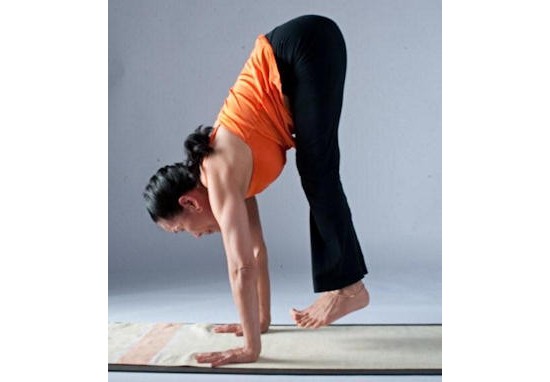
Forward Bending
Yoga Poses have an invigorating effect of the abdominal organs. They
stimulate the entire nervous system and enhance digestion and relieve
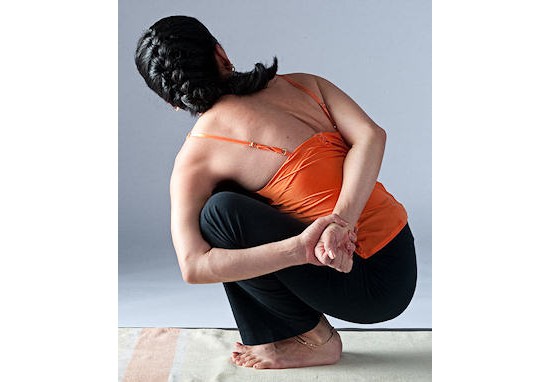
constipation. Twisting
Yoga Poses complement forward and backward bending by exercising muscles in
more complex ways than is accomplished by the symmetrical movements
of flexion and tension alone. The axial compression of the spine
and other structures of the torso improves nutrition to the intervertebral
disks and squeezes blood out of the internal organs of the abdomen
and pelvis, thus improving circulation in the body’s
supportive system.
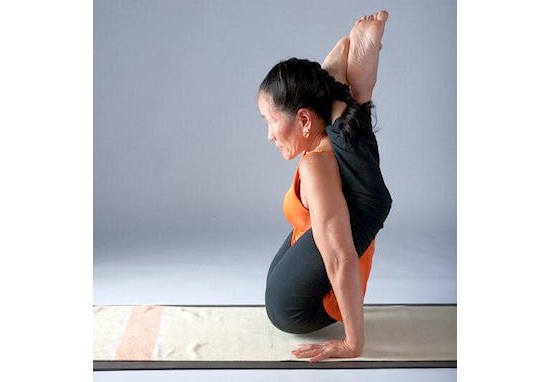
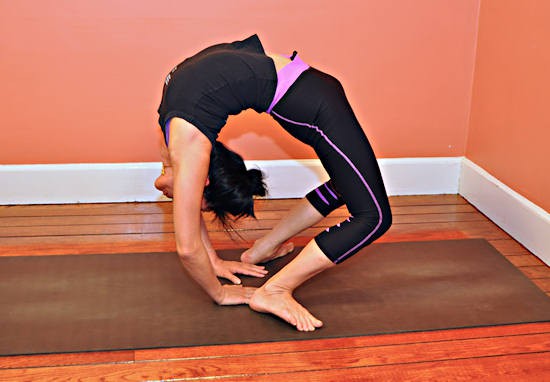
Backbending
Yoga Poses tone the spine by stretching it fully and keeps the body alert and supple. The back feels strong and full of life. It strengthens the arms and wrists and has a very soothing effect on the head.
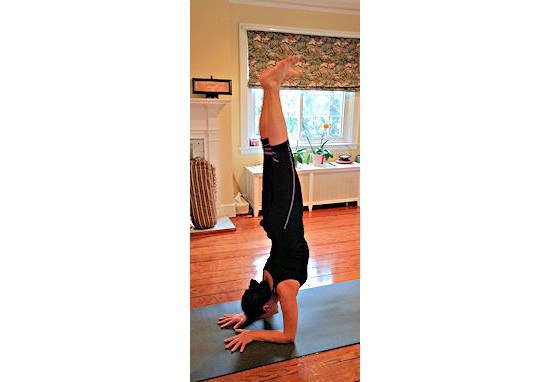
Shoulder
Stand/Head Standing Yoga Poses improve blood flow through the brain cells. This
rejuvenates them, resulting in clearer and increased brain activity.
These poses insure proper blood supply to the pituitary and pineal
glands in the brain. Growth, health and vitality depend upon the
proper functioning of these two glands. (Note: they are not advisable
for those people with high or low blood pressure.)
Although anyone may benefit from a yoga practice, it is especially
effective in training for all types of athletic activities. Yoga
increases flexibility and it results in higher levels of concentration
and endurance as well. Athletes in any sport, from football to gymnastics
to swimming can look to yoga to take them to the next level of performance.
What is Pavanamukasana? Pavanamukasana is a treatment that relieves tightness in joints. Turns painful white muscle that blocks energy into healthy, stretched red muscles for better flow of blood and oxygen. The more of this treatment you receive the longer the effects last. It helps relieve the symptoms of diseases such as Arthritis, CMT Disease, MS, Parkinson's Disease, Scoliosis, etc.
Ashtanga Yoga
Ashtanga Yoga is a powerful system of self-transformation which makes the body flexible, strong and healthy and brings mental clarity, peace and happiness.
The Ashtanga Yoga asana sequences (sequences of postures) are intelligently designed to detoxify the body, align the muscular-skeletal system, purify the nervous system and generally bring good health and vitality to the practitioner.
Ashtanga Yoga uses a unique method of co-ordinating movement and breathing, known as vinyasa. The vinyasa determines the way component postures are linked together, and when combined with energetic muscular "locks" called bandhas, the resulting practice is very powerful. To deepen the practice still further and to bring the mind under control, the eyes focus on specific points depending on the asana. The combination of posture, vinyasa and gazing point is called trishtana.
The benefits of Ashtanga Yoga practice are felt immediately. The postures and vinyasas help to detoxify, heal and relax the body and mind, and bring new vitality and awareness to the practitioner.
The process of learning the asanas challenges one mentally to release old patterns of behavior and attachments, and so, as the physical transformation takes place through asana practice, a parallel psychological process is happening too.
This is just the first step. Once physical and mental healing have taken place, Ashtanga Yoga becomes a guide to inner exploration through a series of progressively more introspective practices which culminate in the ultimate liberation from suffering and universal knowledge which results from complete Self knowledge.
There are 64 arts in the Hindu culture which can lead man to Self Realization and Yoga is one of these. These arts are transmitted in a totally organic and systematic way, starting always with the repetition of simple techniques and gradually increasing the complexity and intensity of the practice in a harmonious and scientific way.
This method has been found to be highly effective in all these different art forms and is the basis of traditional Ashtanga Yoga teaching. Ashtanga Yoga Shala is a traditional school dedicated to the teachings of Sri K Pattabhi Jois of Mysore, South India.
Pattabhi Jois studied extensively with his teacher Krishnamacharya and devised six asana sequences under his guidance based on information contained in an ancient scripture known as the Yoga Korunta.